



Category: Greenhouse Projects

  • Greenhouse Farming in Nigeria: The Smart Investment for Farmers, Cooperatives, and Government Projects

    Greenhouse Farming in Nigeria: The Smart Investment for Farmers, Cooperatives, and Government Projects

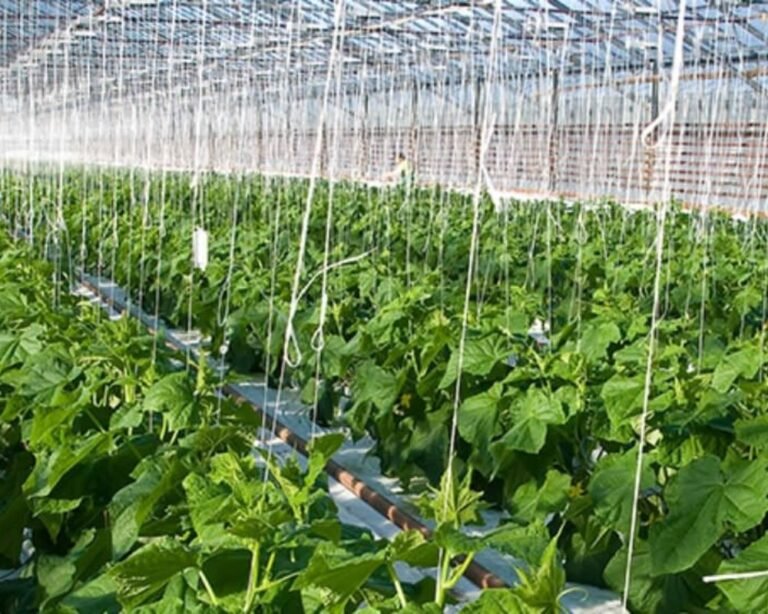
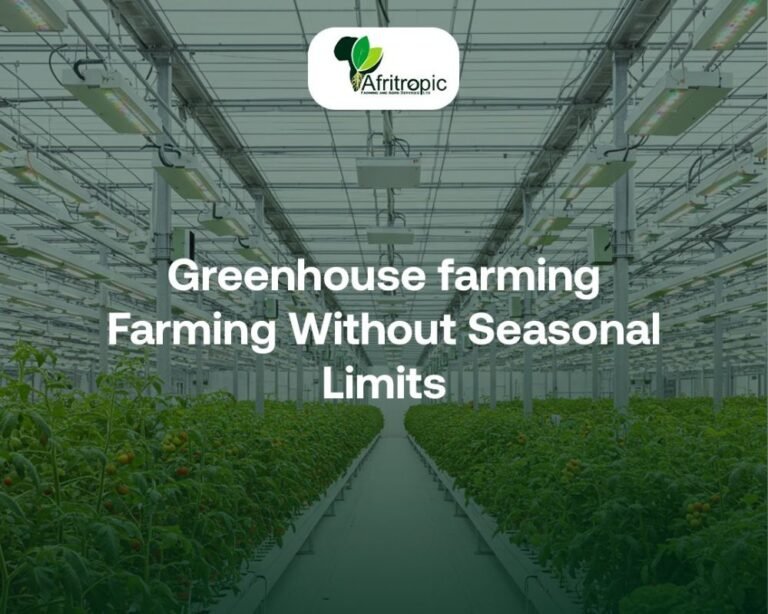
    Agriculture in Nigeria is changing and greenhouse farming is at the heart of that transformation. As weather patterns become more unpredictable and open-field farming struggles with pests, diseases, and seasonal limitations, more farmers, cooperatives, and agricultural agencies are turning to controlled environment agriculture to secure higher yields and better profits.

    Greenhouse farming is not just a trend it’s a proven way to grow high-value crops all year round, increase efficiency, and reduce production risks. And for large-scale stakeholders like cooperatives, government programs, and agri-investors, it offers a reliable model for food security and agribusiness success.

    What is Greenhouse Farming?

    Greenhouse farming is the cultivation of crops inside a specially designed structure covered with transparent or semi-transparent materials that allow sunlight in while protecting plants from harsh weather, pests, and diseases.

    Inside the greenhouse, farmers can control:

    • Temperature
    • Humidity
    • Irrigation
    • Ventilation

    This creates the perfect growing environment for crops, ensuring faster growth, healthier plants, and consistent harvests — regardless of whether it’s the dry season or the rainy season.

    Why Greenhouse Farming is Important in Nigeria

    Nigeria’s agriculture is shaped by two distinct climate realities:

    • Northern Nigeria – Hot, dry climate with limited rainfall.
    • Southern Nigeria – Humid, tropical climate with heavy rainfall and higher pest pressure.

    Greenhouse farming benefits both regions:

    In the North – Helps manage extreme heat, conserve water, and protect crops from dust storms.
    In the South – Protects crops from excessive rain, high humidity, and diseases caused by constant moisture.

    This makes greenhouse farming a universal solution for Nigeria’s agricultural landscape — whether for smallholder farmers, cooperative farming groups, or state-backed agricultural projects.

    Crops That Thrive in Greenhouses in Nigeria

    With the right varieties, greenhouses can produce premium-quality crops that attract top market prices, such as:

    The Afritropic Greenhouse Advantage

    While greenhouses can be built by different suppliers, Afritropic Farming and Agro Services Ltd goes beyond selling structures — we deliver a complete farming solution tailored to Nigeria’s realities.

    Our tropical-grade greenhouse systems are designed to produce high yields, minimize losses, and offer a faster return on investment for farmers, cooperatives, and government-led agricultural projects.

    1. Strong, Tropical-Ready Structure

    • Built with hot-dip galvanized pipes for strength and rust protection.
    • Includes buffer door rooms to block pests and regulate airflow.
    • Designed to handle heavy rain, strong winds, and intense sunlight.

    2. Premium Greenhouse Covering & Ventilation

    • Grade AA, 200-micron UV-treated diffused film for even light distribution.
    • Insect-proof nets for maximum airflow and pest control.

    3. Advanced Irrigation & Cooling Systems

    • Complete Arrow Drip Set – precise water delivery to roots.
    • Fogger System – reduces heat stress and maintains ideal growing conditions.

    4. Complete Growers Kit for Success

    We provide everything you need to start producing immediately:

    • UV-treated floor mats (weed control, labor reduction)
    • High-durability grow bags (perfect for soil-less farming)
    • Trellis systems for crop support
    • Premium Afritropic seeds bred for greenhouse success
    • Nursery sets for healthy seedlings
    • Plant nutrition & protection products
    • PPE for safety
    • Comprehensive Growers Manual

    5. Pest & Disease Control

    • Buffer doors + insect netting protect crops naturally.
    • Reduced need for chemical pesticides — healthier produce and safer for consumers.

    6. Expert Training & After-Sales Support

    We don’t just install greenhouses — we train you to farm profitably:

    • 5 greenhouses (8/24m) – 5 months free training.
    • 10 greenhouses – 12 months agronomist support.
    • Large projects (10/50m) – 1-year agronomist attachment (accommodation by client).

    Why Farmers, Cooperatives & Government Agencies Choose Afritropic

    • Proven ROI – Faster returns due to optimized design and premium seeds.
    • Year-Round Production – Beat market shortages and sell at higher prices.
    • Scalable Solutions – From single greenhouses to multi-hectare commercial farms.
    • Local Expertise – Systems designed for Nigeria’s unique climate zones.
    • Sustainability – Reduced pesticide use, efficient water management, and climate resilience.

    Partner With Us for Agricultural Growth

    Whether you are:

    • A farmer looking to increase yields and income,
    • An agro-dealer wanting to expand into greenhouse products,
    • A cooperative planning a group farming project, or
    • A government agency investing in food security…

    Afritropic offers turnkey greenhouse solutions that deliver results.

    📞 Ready to Start Your Greenhouse Project?

    Contact Us


  • Greenhouse Farming in the North Vs. South: What You Should Know

    Greenhouse Farming in the North Vs. South: What You Should Know

    Greenhouse farming is rapidly gaining ground in Nigeria as a smarter, more controlled way to grow crops profitably all year round. But here’s the truth many new farmers miss: your location matters a lot.

    Whether you’re farming in the North or South of Nigeria, your success with greenhouse farming depends on how well you understand and adapt to your local climate, soil, humidity, and sunlight levels.

    In this guide, we break down the key differences between greenhouse farming in Northern and Southern Nigeria, and what you need to know to succeed in each region — with a focus on Afritropic seeds for optimal results.

    Quick Overview

    FactorNorthern NigeriaSouthern Nigeria
    ClimateHot, dry (arid to semi-arid)Humid, rainy (tropical rainforest)
    SunlightAbundant all yearModerate, often interrupted by clouds
    HumidityLow to moderateVery high
    Pest PressureLower (in dry season)Higher due to constant moisture
    RainfallShort wet season, long dry seasonLong wet season, short dry season
    RainfallHeat management, irrigationVentilation, disease control

    1. Climate Considerations

    Climate Consideration

    Northern Nigeria: Regions like Kano, Katsina, Bauchi, and Kaduna experience intense sun and low humidity. This makes greenhouses highly efficient during the dry season. However, excessive heat during peak dry months can stress plants, especially if the greenhouse lacks good ventilation or shade nets.

    Best Practices:
    • Use shade nets or UV-protected plastic to reduce temperature.
    • Invest in drip irrigation systems to manage water efficiently.
    • Plant heat-tolerant Afritropic varieties like Platinum F1 tomatoes.

    Southern Nigeria: States like Lagos, Ogun, Delta, and Rivers deal with constant rainfall, high humidity, and lower sunlight during rainy season. This environment increases the risk of fungal diseases inside the greenhouse and attracts more pests, especially if your greenhouse isn’t well-sealed.

    Best Practices:
    • Use anti-fungal nets and ensure maximum ventilation (roof vents, side openings).
    • Consider using elevated beds or stones to avoid waterlogging.
    • Plant Afritropic crops that handle humidity well, like cucumbers and peppers.

    2. Water Management

    Water Management
    Water Management

    In the North, irrigation is life without consistent water supply, your greenhouse farming efforts are useless.
    In the South, you may need to control excess water and avoid moisture-related plant stress in your greenhouse farm.
    Pro Tip: In both regions, automated drip irrigation is your best friend. It also saves time, money, and water.

    3. Pest & Disease Pressure

    Pest and Disease

    The South faces more issues with fungus, mildew, whiteflies, aphids, etc., while the North experiences fewer pest outbreaks — except during short rainy spells.

    What You Should Do:
    • South: Apply preventive organic sprays, clean your greenhouse regularly, and use insect-proof netting.
    • North: Monitor for thrips and mites during hot periods.

    4. Cost vs Return on Investment

    Farm Investment
    Farm Investment

    Greenhouse farming in the North tends to produce higher returns during dry seasons when open-field farmers struggle.
    In the South, profits depend on how well you can manage humidity and pests making greenhouse farming necessary year-round to protect crops.

    5. Design Adjustments by Region

    Farm Region
    Farm Region

    In the North:
    • Add shade netting (30–50%) on top of the greenhouse roof.
    • Use evaporative cooling systems or mist sprays during peak heat.

    In the South:
    • Install extra roof ventilation and open sides.
    • Use fungus-proof netting and elevate beds to prevent waterlogging.
    • Consider taller greenhouses for better airflow.

    Final Advice: Choose Location-Specific Strategies

    No matter where you are in Nigeria, greenhouse farming can be extremely profitable, but only when you farm smart.

    📌 If you’re in the North: Focus on cooling and water efficiency.
    📌 If you’re in the South: Focus on ventilation and disease prevention.

    Adapt your Afritropic crop selection, greenhouse materials, and management style to fit your environment, and you’ll be harvesting profits not problems.

    Ready to Start Greenhouse Farming?
    We can help you choose the right greenhouse design and Afritropic crop varieties that suit your region. Whether you’re in Sokoto or Port Harcourt, we’ve got you covered.

    📩 Contact us today to get started with a greenhouse that works for YOUR climate.


  • Cucumber Farming in Nigeria: 6 Best Ways to Farm Cucumber for the Best Yield

    Cucumber Farming in Nigeria: 6 Best Ways to Farm Cucumber for the Best Yield

    Cucumber farming in Nigeria

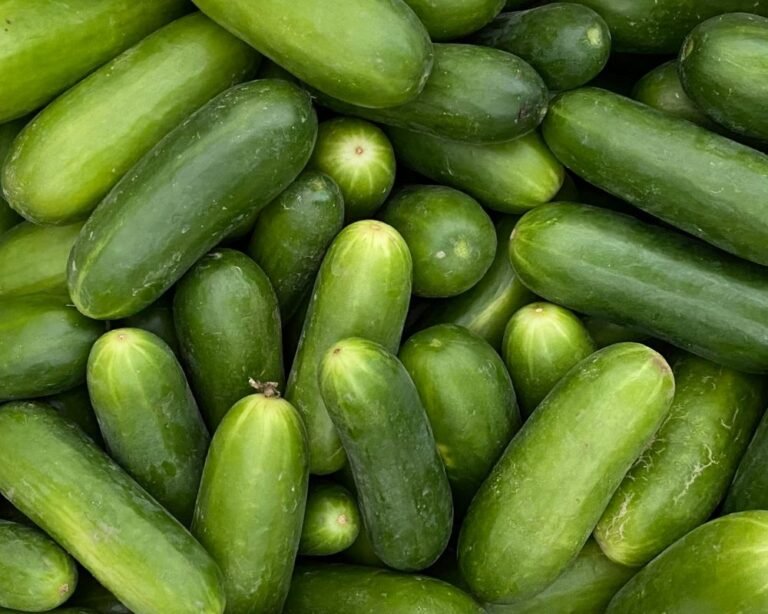
    Afritropic’s baby Cucumber

    Introduction

    Cucumber farming in Nigeria offers a lucrative opportunity for farmers due to its high demand in our local markets. With the right knowledge and techniques, you can become a successful cucumber farmer and reap significant profits. In this blog post, we will discuss the best practices for cucumber farming in Nigeria, covering everything from seed selection to marketing.

    1. Selecting the Best Cucumber Seed Variety in Nigeria

    Cucumber farming in Nigeria is such a profitable venture, however; the choice of cucumber seed variety is crucial for a successful harvest. Without the right seed, your effort might be in complete vain. It is very important that you carefully consider the cucumber seed that you want to plant. Review the following factors when selecting your cucumber seeds:

    • Climate: Choose varieties that are well-suited to Nigeria’s tropical climate.
    • Disease resistance: Go for varieties resistant to common cucumber diseases like powdery mildew and downy mildew.
    • Yield potential: Select varieties known for their high yield and fruit quality.
    Cucumber farming in Nigeria: PHOTO

    Afritropic’s Farmers Pride Cucumber

    2. How to Know the Best Cucumber Variety or Type to Grow in Nigeria

    Cucumber seeds determines 80% of your output, to know the most suitable cucumber variety to grow in Nigeria, do your research. Read honest review on seed companies, and consult with successful cucumber farmers in your region. The farmers can provide valuable insights based on their knowledge of local conditions and successful cultivation practices.

    3. Cucumber Farming Process

    Cucumber farming success also depends on the process you take. Following the accurate process and procedure for cucumber farming contributes greatly to your success; as experienced cucumber farmers, we have curated the correct process for cucumber farming that will determine your success.

    a. Land Preparation for Cucumber Farm

    • Site selection: Choose a well-drained area with plenty of sunlight.
    • Soil preparation: Till the soil and make ridges. The planting spacing in your ridges should be about 50cm. Then in your ridges, make a depth of 8 -10 inches, and incorporate organic matter (eg; animal dropping, compost) to improve fertility, and water.
    • Fertilization: Apply organic manure to the soil before planting.

    b. Cucumber Seed Sowing

    • Planting time: Sow seeds directly into the prepared soil during the rainy season or Irrigate your farm
    • Spacing: Plant seeds in rows, maintaining a distance of 2-3 feet 9(90cm) between rows and 50cm between plants.
    • Depth: Sow seeds to a depth of about 3cm

    c. When to Stake Cucumber

    Staking cucumber plants is essential for supporting their fast growth, improving yield, and preventing fruit damage. Stake the plants when they reach a height of about 1 foot using sturdy stakes and/or staking net. Failure to stake your cucumber on time would result to stunted growth, poor yield, and damaged fruits. Therefore, it is highly essential that you stake your cucumber early (1 foot).

    d. Easy Ways to Stake Cucumber for Best Yield

    • Bamboo-stakes: Drive stakes into the ground near each plant.
    • Tie the plants: Gently tie the cucumber vines to stakes using staking nets.
    Cucumber farming in Nigeria

    Afritropic’s Baby Cucumber

    4. Best Cucumber Farm Maintenance Practices

    • Watering: Water the plants regularly, especially during dry periods. Avoid overwatering to prevent root rot.
    • Weeding: Remove weeds regularly so they don’t compete with the cucumber plants for nutrients and water.
    • Early Staking: Staking your cucumber plants early will shoot up their growth
    • Fertilizing: Apply organic fertilizer as frequent as needed to maintain optimal plant growth and fruit development.
    • Pest and disease control: Monitor the plants for pests and diseases and take appropriate measures to control them.

    5. How to Know When Cucumber is Ready for Harvest

    Get information from your seed supplier about the maturity period of the seeds. Cucumbers are typically ready for harvest when they are firm, dark green, and have reached their desired size.

    Cucumber Farming in Nigeria

    Afritropic’s Monica Cucumber

    6. How and When to Start Marketing Your Cucumber

    It is very important that you start the marketing of your cucumber at least 2weeks before harvest, this gives you the room to make sells at a profitable price, while eradicating post harvests loss. Early arrangement for sales gives you the grace to sell your produce at a favorable price. The following are channels to consider for marketing and sales

    • Local markets: Sell your cucumbers at local farmers’ markets or grocery stores.
    • Wholesale buyers: Establish relationships with wholesale buyers who supply restaurants and hotels.
    • Online platforms: Utilize online marketplaces or social media to reach a wider customer base.

    7. Where to Get the Best Cucumber Seed in Nigeria

    Cucumber seeds for sale: If you’re interested in purchasing Hybrid Cucumber Seeds in Nigeria, you can check out Afritropic. We are a seed company based in Nigeria, we provide farmers with the best quality hybrid vegetable seeds

    Check out this cucumber video for more details

    Conclusion

    Cucumber farming in Nigeria can be a profitable venture with the right approach. By following the guidelines outlined in this blog post, you can cultivate healthy, high-yielding cucumber plants and enjoy a successful harvest. Remember to choose suitable varieties, maintain proper farm management practices, and explore various marketing channels to maximize your profits.

Join Our Mailing List To Get

Latest Sales News and Agricultural Updates