

Tag: cucumber farm

  • Cucumber Farming in Nigeria: 6 Best Ways to Farm Cucumber for the Best Yield

    Cucumber Farming in Nigeria: 6 Best Ways to Farm Cucumber for the Best Yield

    Cucumber farming in Nigeria

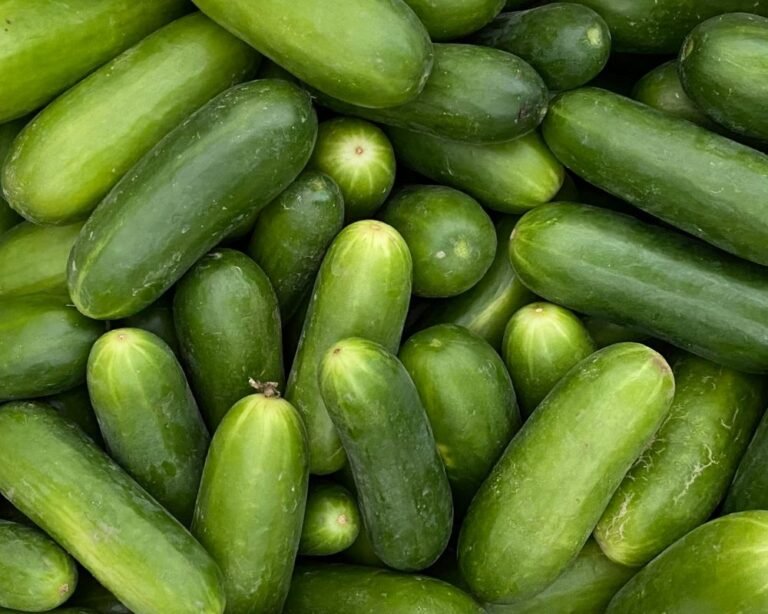
    Afritropic’s baby Cucumber

    Introduction

    Cucumber farming in Nigeria offers a lucrative opportunity for farmers due to its high demand in our local markets. With the right knowledge and techniques, you can become a successful cucumber farmer and reap significant profits. In this blog post, we will discuss the best practices for cucumber farming in Nigeria, covering everything from seed selection to marketing.

    1. Selecting the Best Cucumber Seed Variety in Nigeria

    Cucumber farming in Nigeria is such a profitable venture, however; the choice of cucumber seed variety is crucial for a successful harvest. Without the right seed, your effort might be in complete vain. It is very important that you carefully consider the cucumber seed that you want to plant. Review the following factors when selecting your cucumber seeds:

    • Climate: Choose varieties that are well-suited to Nigeria’s tropical climate.
    • Disease resistance: Go for varieties resistant to common cucumber diseases like powdery mildew and downy mildew.
    • Yield potential: Select varieties known for their high yield and fruit quality.
    Cucumber farming in Nigeria: PHOTO

    Afritropic’s Farmers Pride Cucumber

    2. How to Know the Best Cucumber Variety or Type to Grow in Nigeria

    Cucumber seeds determines 80% of your output, to know the most suitable cucumber variety to grow in Nigeria, do your research. Read honest review on seed companies, and consult with successful cucumber farmers in your region. The farmers can provide valuable insights based on their knowledge of local conditions and successful cultivation practices.

    3. Cucumber Farming Process

    Cucumber farming success also depends on the process you take. Following the accurate process and procedure for cucumber farming contributes greatly to your success; as experienced cucumber farmers, we have curated the correct process for cucumber farming that will determine your success.

    a. Land Preparation for Cucumber Farm

    • Site selection: Choose a well-drained area with plenty of sunlight.
    • Soil preparation: Till the soil and make ridges. The planting spacing in your ridges should be about 50cm. Then in your ridges, make a depth of 8 -10 inches, and incorporate organic matter (eg; animal dropping, compost) to improve fertility, and water.
    • Fertilization: Apply organic manure to the soil before planting.

    b. Cucumber Seed Sowing

    • Planting time: Sow seeds directly into the prepared soil during the rainy season or Irrigate your farm
    • Spacing: Plant seeds in rows, maintaining a distance of 2-3 feet 9(90cm) between rows and 50cm between plants.
    • Depth: Sow seeds to a depth of about 3cm

    c. When to Stake Cucumber

    Staking cucumber plants is essential for supporting their fast growth, improving yield, and preventing fruit damage. Stake the plants when they reach a height of about 1 foot using sturdy stakes and/or staking net. Failure to stake your cucumber on time would result to stunted growth, poor yield, and damaged fruits. Therefore, it is highly essential that you stake your cucumber early (1 foot).

    d. Easy Ways to Stake Cucumber for Best Yield

    • Bamboo-stakes: Drive stakes into the ground near each plant.
    • Tie the plants: Gently tie the cucumber vines to stakes using staking nets.
    Cucumber farming in Nigeria

    Afritropic’s Baby Cucumber

    4. Best Cucumber Farm Maintenance Practices

    • Watering: Water the plants regularly, especially during dry periods. Avoid overwatering to prevent root rot.
    • Weeding: Remove weeds regularly so they don’t compete with the cucumber plants for nutrients and water.
    • Early Staking: Staking your cucumber plants early will shoot up their growth
    • Fertilizing: Apply organic fertilizer as frequent as needed to maintain optimal plant growth and fruit development.
    • Pest and disease control: Monitor the plants for pests and diseases and take appropriate measures to control them.

    5. How to Know When Cucumber is Ready for Harvest

    Get information from your seed supplier about the maturity period of the seeds. Cucumbers are typically ready for harvest when they are firm, dark green, and have reached their desired size.

    Cucumber Farming in Nigeria

    Afritropic’s Monica Cucumber

    6. How and When to Start Marketing Your Cucumber

    It is very important that you start the marketing of your cucumber at least 2weeks before harvest, this gives you the room to make sells at a profitable price, while eradicating post harvests loss. Early arrangement for sales gives you the grace to sell your produce at a favorable price. The following are channels to consider for marketing and sales

    • Local markets: Sell your cucumbers at local farmers’ markets or grocery stores.
    • Wholesale buyers: Establish relationships with wholesale buyers who supply restaurants and hotels.
    • Online platforms: Utilize online marketplaces or social media to reach a wider customer base.

    7. Where to Get the Best Cucumber Seed in Nigeria

    Cucumber seeds for sale: If you’re interested in purchasing Hybrid Cucumber Seeds in Nigeria, you can check out Afritropic. We are a seed company based in Nigeria, we provide farmers with the best quality hybrid vegetable seeds

    Check out this cucumber video for more details

    Conclusion

    Cucumber farming in Nigeria can be a profitable venture with the right approach. By following the guidelines outlined in this blog post, you can cultivate healthy, high-yielding cucumber plants and enjoy a successful harvest. Remember to choose suitable varieties, maintain proper farm management practices, and explore various marketing channels to maximize your profits.

  • VEGETABLE FARM BASICS: 7 THINGS TO DO MAKE PROFIT

    VEGETABLE FARM BASICS: 7 THINGS TO DO MAKE PROFIT

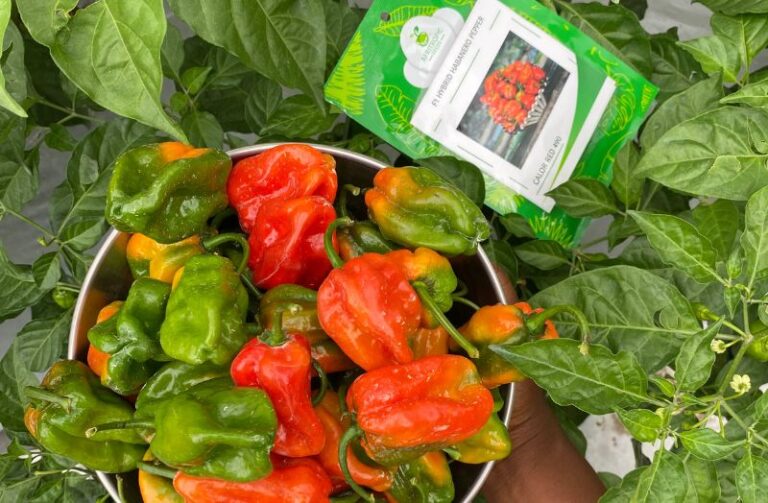
    Afritropic Habanero Pepper

    Welcome to the ultimate guide on starting your commercial vegetable farming venture with Afritropic. Whether you’re a seasoned farmer looking to expand or a newcomer eager to dive into the world of agriculture, this comprehensive guide will set you on the path to success. 

    1. Understanding the Basics 

    Before you start, it’s crucial to grasp the fundamentals of commercial vegetable farming. This involves knowing your market, understanding crop cycles, and learning about the best practices for soil preparation and plant care. 

    Key Points: 

    ● Research market demand and select vegetables with high profitability. 

    ● Learn about the growth cycles and seasons of your chosen vegetables. 

    ● Understand soil types and their impact on vegetable growth. 

    ● Choose the best seeds brand like Afritropic 

    ● Ensure availability of water.  

    Afritopic Farms

    2. Planning Your Farm 

    A well-thought-out plan is essential for a successful commercial vegetable farm. Begin with designing your farm layout, choosing the right crops, and setting up essential infrastructure. 

    Steps to Follow: 

    ● Develop a detailed farm plan that includes farm layout (where to plant what) and irrigation systems

    ● Decide on the size of your farm and choose crops based on soil suitability and market demand.

    ● Invest in infrastructure needed in your farm such as greenhouses, irrigation systems, and storage facilities.

    3. Soil Preparation and Fertilization

    Healthy soil is the foundation of a productive vegetable farm. Proper soil preparation and fertilization are critical for maximizing yields and ensuring crop health. 

    Tips for Success: 

    ● Conduct soil tests to determine nutrient levels and pH balance.

    ● Use organic fertilizers to boost soil organic matter and improve soil fertility  

    ● Implement soil conservation techniques to prevent erosion and nutrient loss. (Example: mulching)

    Afritropic Irrigation and Greenhouse

    4. Irrigation Systems 

    Irrigation is simply the process of supplying water to plants. Effective irrigation is vital for maintaining consistent vegetable growth. Explore different irrigation methods to find the  best fit for your farm’s needs

     Popular Methods: 

    ● Drip irrigation for targeted watering and water conservation.  You can contact Afritropic for your drip irrigation installation and materials

    ● Sprinkler systems for larger areas and uniform water distribution.

    ● Rainwater harvesting to reduce dependency on external water sources. 

    5. Pest and Disease Management

    Protecting your crops from pests and diseases is crucial for maintaining a healthy and profitable farm. Implement integrated pest management (IPM) strategies to minimize damage. 

    Strategies to Consider: 

    ● Regularly inspect plants for signs of pests and diseases, so as to tackle it at early emergence 

    ● Use organic pesticides or beneficial insects as part of your IPM approach. 

    ● Rotate crops to reduce the risk of soil-borne diseases. 

    Afritropic Premium 150 Tomato

    6. Harvesting and Post-Harvest  Handling 

    Proper harvesting techniques and post harvest handling are essential for maintaining the quality of your vegetables and ensuring a good market price. 

    Best Practices:

    ● Harvest vegetables at their peak ripeness for the best quality and flavor. 

    ● Use proper handling techniques to prevent damage during harvesting and transportation. 

    ● Implement effective storage solutions to prolong shelf life and reduce spoilage. 

    7. Marketing and Sales 

    An effective marketing strategy will help you reach potential buyers and maximize profits. Develop a sales plan that includes both direct-to-consumer and wholesale options. 

    Marketing Tips: 

    ● Build relationships with local markets, grocery stores, and restaurants. 

    ● Utilize social media and online platforms to reach a broader audience. 

    ● Participate in farmers’ markets and agricultural fairs to showcase your  products. 

    8. Financial Management 

    Maintaining financial health is critical for the sustainability of your commercial vegetable farm. Keep track of expenses, revenues, and investments to ensure profitability.

    Financial Management Tips: 

    ● Create a detailed budget and financial plan for your farming operation. 

    ● Monitor cash flow regularly and adjust your strategies as needed.

    ● Explore funding options such as grants, or investor support. 

    Conclusion 

    Starting a commercial vegetable farming business requires careful planning, dedication, and ongoing management. By following this comprehensive guide from Afritropic, you’ll be well-equipped to embark on your farming journey with confidence. For more expert advice and resources, stay tuned to our blog and contact us for personalized support. 

    Afritropic offers 

    ● Quality vegetable seeds ● Irrigation systems  ● Greenhouse installation  

    Call to Action: 

    Ready to take the first step in commercial vegetable farming?

    Contact Afritropic today for expert guidance and tailored solutions to help you succeed in  your farming venture. 

    Office Phone

    +234 905 388 5364
    +234 905 388 5365

    Office Email

    Support@afritropic.com
    sales@afritropic.com

    Office Location

    Off Amadu Bello Way, Mabushi. FCT Abuja. Nigeria
    Plot 130 Okpanam Road Asaba Delta State

Join Our Mailing List To Get

Latest Sales News and Agricultural Updates