

Author: ebi4christ.ee

  • Empowering PAP Beneficiaries through Modern Agricultural Training for Sustainable Livelihoods

    Empowering PAP Beneficiaries through Modern Agricultural Training for Sustainable Livelihoods

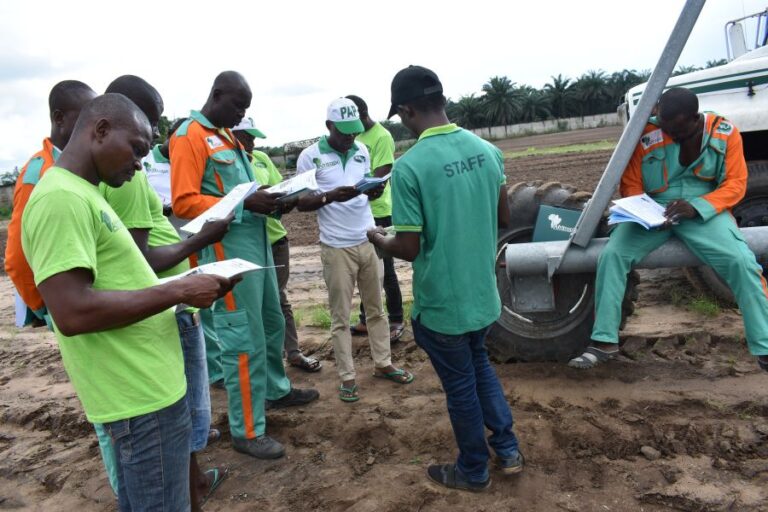
    The Presidential Amnesty Program (PAP) has been a cornerstone initiative aimed at transforming the lives of former militants and impacted communities by equipping them with valuable skills for sustainable livelihoods. Afritropic Farming and Agro Services Ltd has proudly partnered with PAP to deliver a comprehensive training and empowerment program focusing on critical areas of agriculture: irrigation (center pivot setup and operations), rice farming, vegetable cultivation, and farm machinery operation. This project is designed to foster economic independence and contribute to the long-term development of local communities.

    Project Overview: Advanced Agricultural Training for PAP Beneficiaries

    The Presidential Amnesty Program (PAP) in collaboration with Afritropic Farming and Agro Services Ltd is committed to transforming lives through targeted agricultural training. This project is designed to equip PAP beneficiaries with the skills and knowledge necessary to succeed in modern agriculture. By focusing on advanced farming techniques, the program aims to foster economic independence and sustainable livelihoods. Through hands-on training in key areas of agriculture, participants are prepared to take on meaningful roles in the agricultural sector, ultimately contributing to the growth and development of their communities.

    • Rice Farming Techniques: Rice is a staple crop in Nigeria and a significant contributor to the nation’s food security. Through this program, PAP beneficiaries receive hands-on training in modern rice farming techniques. This includes everything from land preparation and planting to water management and harvesting. By mastering these techniques, participants can significantly increase their rice yields, ensuring a reliable source of income and contributing to the national food supply.
    • Modern Vegetable Farming Cultivation Produce: The training program also emphasizes the cultivation of high-demand vegetables such as tomatoes, peppers, and leafy greens. Participants learn the best practices in crop rotation, pest management, and organic farming methods to produce high-quality, market-ready vegetables. This training not only boosts local food production but also enhances the profitability of smallholder farms, providing PAP beneficiaries with a sustainable and lucrative farming option.
    • Farm Machinery Training for Efficiency: Operating modern farm machinery is crucial for maximizing productivity and minimizing labor costs. The program includes comprehensive training on the use of various agricultural machines, such as tractors, planters, and harvesters. Beneficiaries learn how to maintain and operate this equipment effectively, enabling them to manage larger plots of land with greater efficiency and precision.

  • Empowering Women and Youth through the Homestead Garden Project: A Success Story with IFAD and Life-ND

    Empowering Women and Youth through the Homestead Garden Project: A Success Story with IFAD and Life-ND

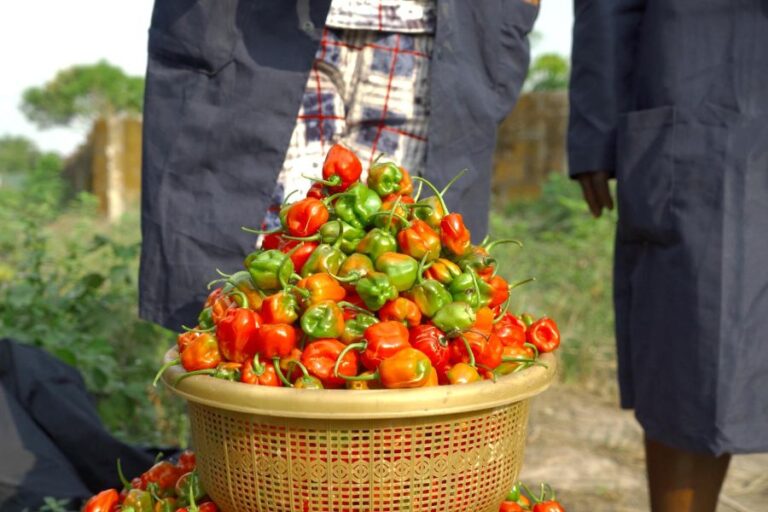
    In a rapidly changing agricultural landscape, equipping women and youth with the skills to succeed is essential for sustainable development. The Homestead Garden Project, funded by IFAD through the Life-ND Program, is a shining example of how targeted training and support can transform lives. Afritropic Farming and Agro Services Ltd proudly partnered in this initiative, focusing on training beneficiaries in modern gardening systems and establishing homestead gardens specializing in Habanero Pepper farming, Okra farming, Cucumber farming, and Ugu farming.

    The Importance of Homestead Gardens in Sustainable Agriculture:

    Homestead gardening plays a critical role in food security, especially in rural communities. By utilizing small plots of land adjacent to homes, families can grow a variety of crops year-round, ensuring a steady supply of nutritious food. This project not only enhances food security but also provides a sustainable source of income for women and youth.

    Project Overview: The Homestead Garden Initiative by IFAD and Life-ND

    Training on Modern Garden Systems: Afritropic’s role in the Homestead Garden Project was pivotal. We provided comprehensive training to women and youth on modern garden systems, ensuring they had the knowledge and skills to maximize the productivity of their homestead gardens. The training covered various aspects, including soil preparation, irrigation techniques, pest management, and crop rotation.

    Focus on High-Value Crops: The project emphasized the cultivation of high-value crops that are in demand in both local and international markets. The specific crops chosen—Habanero Pepper, Okra, Cucumber, and Ugu—are known for their marketability and nutritional value.

    • Habanero Pepper Farming: This crop is highly sought after for its flavor and heat, making it a profitable choice for small-scale farmers.
    • Okra Farming: A staple in many Nigerian dishes, Okra is easy to grow and has a strong market presence.
    • Cucumber Farming: With its high water content and health benefits, Cucumber is a popular crop for both local consumption and export.
    • Ugu Farming: Also known as fluted pumpkin, Ugu is rich in vitamins and minerals, making it a valuable crop for both nutrition and income.

    The Impact of the Homestead Garden Project:

    • Empowering Women and Youth: The primary goal of the Homestead Garden Project was to empower women and youth by providing them with the skills and resources needed to establish and maintain their gardens. Through this initiative, beneficiaries gained hands-on experience and practical knowledge, which has enabled them to become self-sufficient and improve their livelihoods.
    • Sustainable Income Generation: By focusing on high-demand crops, the project has created sustainable income opportunities for the participants. The skills acquired through the training allow them to produce crops that are not only consumed locally but also have the potential to be sold in larger markets.
    • Community Development: The ripple effect of this project extends beyond the individual beneficiaries. By increasing the production of these high-value crops, the project has contributed to the overall development of the communities involved. It has fostered a culture of collaboration and innovation, where knowledge is shared, and resources are utilized efficiently.

    The Homestead Garden Project is a testament to the power of targeted training and support in transforming lives. Through the cultivation of high-value crops like Habanero Pepper, Okra, Cucumber, and Ugu, the women and youth involved in this project have not only secured their food supply but also established a sustainable source of income. As a partner in this initiative, Afritropic Farming and Agro Services Ltd is proud to contribute to the development of sustainable agriculture and the empowerment of communities across Nigeria.

  • Accelerated Agricultural Development Scheme (AADS) – Empowering Agri-preneurs through Greenhouse Farming in Delta State

    Accelerated Agricultural Development Scheme (AADS) – Empowering Agri-preneurs through Greenhouse Farming in Delta State

    At Afritropic Farming and Agro Services Ltd, we are committed to driving agricultural innovation and sustainability across Nigeria. One of our most impactful projects is the Accelerated Agricultural Development Scheme (AADS), which focuses on introducing modern greenhouse and open-field vegetable farming practices to Delta State. This project not only supports the local economy but also empowers young agri-preneurs with the skills and resources they need to succeed.

    Greenhouse Project Background

    Delta State, with its population of over 6 million people and vast arable land, presents a significant opportunity for agricultural development. However, there has been a pressing need to introduce more sustainable and profitable farming practices to meet the increasing demand for high-quality farm produce, both locally and internationally.

    The AADS project was designed with this need in mind. Implemented by Afritropic Farming and Agro Services Ltd, the project seeks to promote and invest in greenhouse and open-field vegetable farming across the three senatorial districts of Delta State. By focusing on youth and women, the project aims to create alternative livelihoods that contribute to the state’s economic development.

    Advantage of the Greenhouse Farming Project

    In an era where sustainable agriculture is essential for food security and economic growth, engaging youth in farming practices is a powerful strategy. The Accelerated Agricultural Development Scheme (AADS) Greenhouse Project, spearheaded by Afritropic Farming and Agro Services Ltd, is a prime example of how modern agriculture can attract and empower young people. This initiative is not only transforming the agricultural landscape in Delta State but also addressing critical issues

    • Building Capacity through Greenhouse Farming: One of the key benefits of the Greenhouse Project under AADS is the comprehensive capacity-building efforts directed at young farmers. Through intensive training and hands-on experience, participants are introduced to modern farming techniques that significantly enhance their skills and knowledge. By focusing on greenhouse farming, the project provides a controlled environment where young farmers can learn and apply innovative agricultural practices, setting them up for long-term success in the industry.
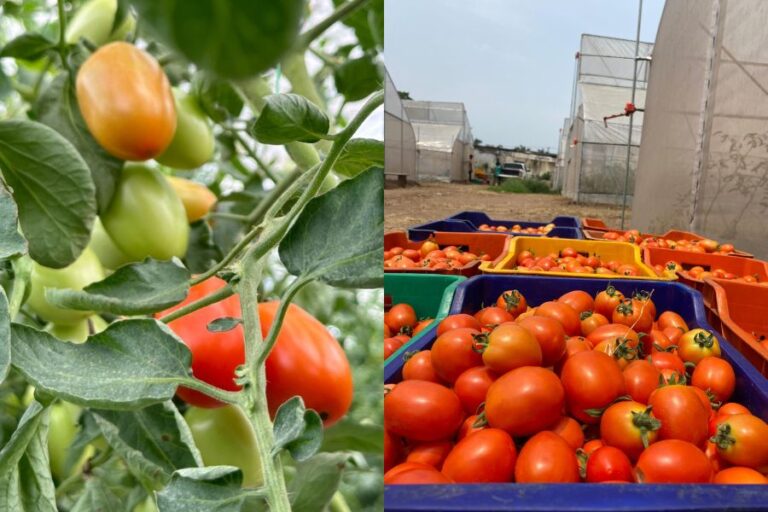
    • Increasing Food Production: The Greenhouse Project is directly contributing to the increase in food production in Delta State. By utilizing advanced greenhouse technology, the project ensures year-round cultivation of high-quality vegetables, regardless of external weather conditions. This not only helps in meeting the growing demand for food but also supports the goal of food security in the region. The focus on crops such as tomatoes, grown in state-of-the-art greenhouses, is a testament to the project’s commitment to producing more food sustainably.

    • Reducing Unemployment by Engaging Youth in Agriculture: Youth unemployment is a significant challenge in many parts of Nigeria, but the Greenhouse Project is making strides in addressing this issue. By engaging young people in agriculture, the project offers them meaningful employment opportunities and a viable career path. The skills and knowledge acquired through the project equip these young farmers to either continue working within the established greenhouses or to start their own agricultural ventures, thereby reducing unemployment rates in the region.
    • Encouraging Youth Participation in Modern Agriculture: The success of the Greenhouse Project under AADS highlights the importance of youth engagement in agriculture. By providing young people with access to modern farming technologies, high-quality seeds, and market opportunities, the project is making agriculture an attractive and profitable career choice. This not only benefits the individuals involved but also contributes to the broader development of the agricultural sector in Nigeria.

    The Future of Agriculture in Delta State

    The Greenhouse Project under the Accelerated Agricultural Development Scheme (AADS) is more than just an agricultural initiative; it’s a movement towards sustainable development and youth empowerment. By building capacity, increasing food production, and reducing unemployment, the project is setting a new standard for youth engagement in agriculture. Afritropic Farming and Agro Services Ltd is proud to lead this transformative project, contributing to the future of agriculture in Nigeria.

Join Our Mailing List To Get

Latest Sales News and Agricultural Updates